

Bay Area • California coverage

Make pet insurance work for Bay Area veterinary care

Connect the policy, primary-care records and referral payment plan without assuming every clinic visit uses the same benefit.

Owner comparing information on a laptop beside a tabby cat
✓ Policy-first ✓ Independent ✓ Useful checks
Direct answer
Bay Area owners should compare California pet-insurance policies using their actual address, pet history and expected way of paying for care. Coverage for a licensed veterinarian is not the same as a clinic agreeing to wait for insurance.
What to know

Map the care path before comparing networks

A pet may see a regular veterinarian near home, an emergency practice elsewhere in the Bay Area and a specialist after referral. Write down how records move between them. The insurer may need the earlier history as well as the latest invoice to understand a continuing problem.

When checking a policy, distinguish permission to use a licensed practice from the method of payment. Ask another insurer about its own rules rather than assuming every product operates the same way.

If your pet is referred beyond the Bay Area, confirm both the receiving hospital’s admission arrangements and the policy’s geographic scope. The referral itself does not approve an insurance claim.

Quotes

A referral estimate needs its own cash plan

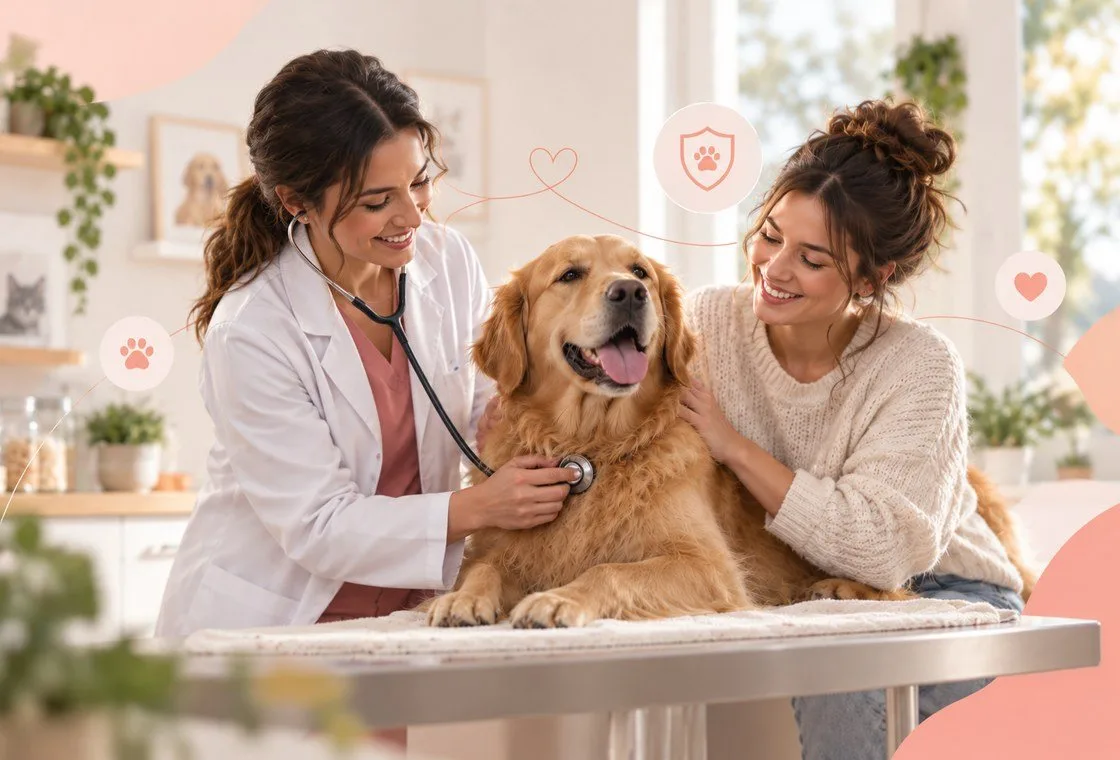
Veterinarian examining a golden-colored dog with its owner present
Treatment planning and the clinic’s payment arrangements need a conversation alongside the insurance review.

As a regional example outside the Bay Area, the UC Davis teaching hospital’s appointment guidance requires full payment at the end of the visit and describes deposits for admitted patients. That hospital’s requirements do not establish the terms at your local practice.

Before a planned referral, request the current estimate, deposit rule and likely timing of further charges from the receiving hospital. Ask what happens if the estimate changes during treatment. Separately, ask the insurer which records and pre-treatment information it can review.

Build a payment plan that works even if a claim takes longer than expected. An insurer’s willingness to review an estimate is not a guarantee that it will reimburse the full final bill.

What to know

Use California’s consumer questions to inspect the offer

The California Department of Insurance advises consumers to check exclusions, reimbursement and benefit limits, including how pre-existing conditions are treated. Use its questions as a reading aid for the contract you are actually offered.

  • Find the calculation basis: the invoice, a fee schedule or another stated limitation
  • Identify the deductible and the percentage the insurer pays
  • Ask whether examinations and specialist fees have separate treatment
  • Check the annual cap and any condition or service sublimits
  • Read the prior-condition definition before replacing existing coverage

These answers can be more important than whether a website names San Francisco, Oakland or San Jose. A regional label is not a separate promise of medical benefits.

What to know

Keep preventive care outside the emergency calculation

Vaccines, screening and routine appointments are planned expenses. Ask whether they are paid through a selected preventive option or a clinic membership, and identify the provider of that benefit. A routine-care package does not automatically provide insurance for an unexpected illness.

For a California offer, obtain the specific benefit schedule rather than importing a package from another state.

If your clinic already supplies some routine services through a membership, check overlap before adding a second program. Evaluate the medical policy on its own terms, then decide whether the routine-care addition is worth its separate price.

What to know

Make records portable when the practice changes

Save the policy identifier, effective date and your pet’s prior clinic contacts in one place. After moving or changing practices, obtain the existing medical record so the new veterinarian and any claim reviewer have the same history.

Notify the insurer of an address change using its process. Do not assume a quote from another Bay Area ZIP code has the same price or that a new policy will preserve coverage for a condition treated under an old one.

For an unresolved claim disagreement, ask for the insurer’s written decision and use its review process. California’s insurance department provides consumer assistance; keep the bill, policy wording and relevant correspondence together so the issue can be described precisely.

Evidence

Sources and policy context

Public references support the consumer and veterinary context. Named product details were checked in official insurer materials; the policy offered for your pet and state controls actual coverage.

Next step

Compare Current Pet Insurance Rates

Check current options for your pet and location, then compare the policy details, exclusions, costs, and eligibility before choosing.

Compare the policy before you choose Check the actual offer, exclusions and out-of-pocket terms.
See Rate Options